If you are just starting to ride, returning to riding after a break, or beginning lessons at a riding school, you may have been told to carry a whip.
For many new riders, a riding crop isn’t about strong aids or competition, it’s about confidence. Simply having one in your hand can help you feel more secure and consistent in your riding.
In this guide, we explain what a riding crop is, how it differs from a dressage whip, what length to choose, and which options make the most sense for beginners in the UK.
This is one of the most common questions. A riding crop is typically:
A dressage whip is:
If you are learning to ride, hacking out, or doing general lessons, a riding crop is usually the most practical choice. You do not need a long dressage whip unless you are specifically focusing on flatwork training.
For many riders in the early stages, a riding crop is: Easier to carry, less intimidating, suitable for a mix of riding school, hacking out, jumping poles or just leisure riding and a simple confidence tool, that allows you to reinforce a forward aid without dramatically having to change your position.
And in truth, many beginners carry a riding crop for reassurance while they are building consistency and confidence.
Most riding crops are available in:
80cm – often suitable for pony riders or shorter riders
90cm – generally the better choice for most adult riders on horses
If you are unsure, 90cm is a safe option for many adult beginners. You want a crop that feels balanced in your hand without feeling too short or overly long.
When starting out, you do not need anything elaborate. Focus on: A comfortable, secure grip, a well-balanced shaft, durable construction and sensible pricing.
Extremely cheap mass produced crops can feel unbalanced and may not last. At the same time, there is no need to invest in a premium leather competition crop while you are still learning. A well-made economy crop from a reputable manufacturer is ideal.
Fleck produce a small selection of reliable, well-balanced riding crops that are ideal for newer riders.
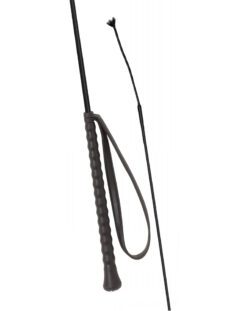
1. Fleck Woven Nylon Riding Crop with Rubber Handle
This is a practical and straightforward option for beginners.
Features include:
It is comfortable to hold, durable, and does exactly what a beginner needs without unnecessary extras. A solid, dependable choice for lessons or hacking.
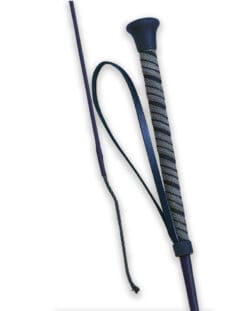
2. Fleck Woven Nylon Riding Crop with Wrapped Grip
This model offers a slightly more refined feel while remaining affordable.
Features include:
The wrapped grip feels a little more structured in the hand, which some riders prefer as they gain confidence and control. It remains a sensible option for UK beginners who want something reliable without stepping into premium pricing.
If you are just starting to ride, you do not need specialist equipment. A simple, well-balanced riding crop in 80cm or 90cm is more than enough for:
Riding lessons
Hacking out
General schooling
Building confidence
As your riding develops, you may decide to move into a dressage whip or a more specialised crop. But in the early stages, practicality and comfort matter far more than price or prestige.
Choose something that feels secure in your hand and suits the type of riding you are doing now. That is all you need.