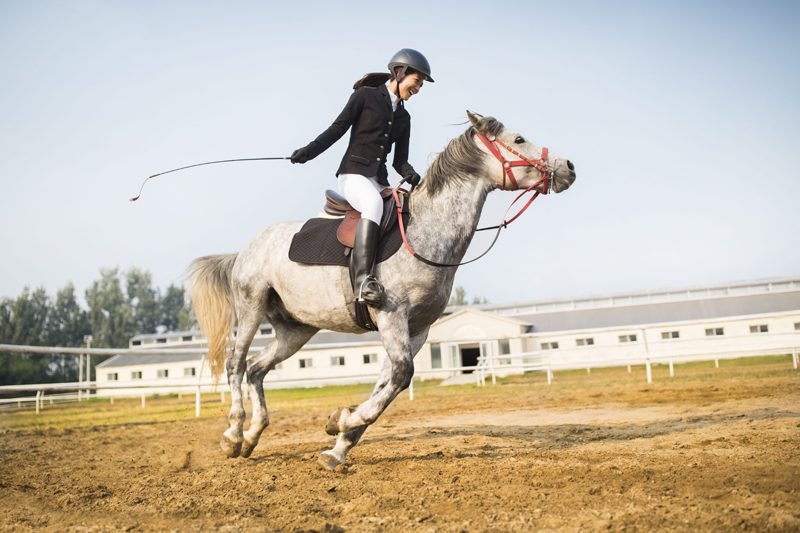
How to use a horse whip correctly is all about timing, clarity and fairness. A whip should never create fear or tension. Its purpose is to reinforce the leg, not replace it. When used well, a whip becomes a quiet communication aid that helps the horse understand the rider’s intention. When used poorly, it can confuse or upset even the most willing horse.
Different whip designs are intended for different jobs, and correct use often depends on the type being carried. Understanding horse whip types used in different disciplines helps explain why certain techniques apply to riding whips and crops, but not to schooling or groundwork whips.
This guide explains how to use a horse whip correctly, calmly and confidently, so that you give clear aids without upsetting your horse.
Correct use isn’t about force. It’s about precision.
Horses respond to timing, clarity and consistency. If the whip is used the same way each time, the horse stays relaxed and confident.
Correct use is closely tied to timing and how predictable a whip feels in the hand. Our Fleck whip buyers guide examines how design choices influence control, recovery, and rider confidence. A whip should reinforce a clear leg aid, not replace it, and the moment it is applied matters just as much as how. This is explored in more depth in horse whip aids explained, which focuses on timing and technique.
A whip aid is processed by the horse in the same way as pressure-and-release training. They learn from:
If the signal is delayed or inconsistent, the horse may become anxious, dull or confused. Knowing this helps riders give cleaner, kinder aids.
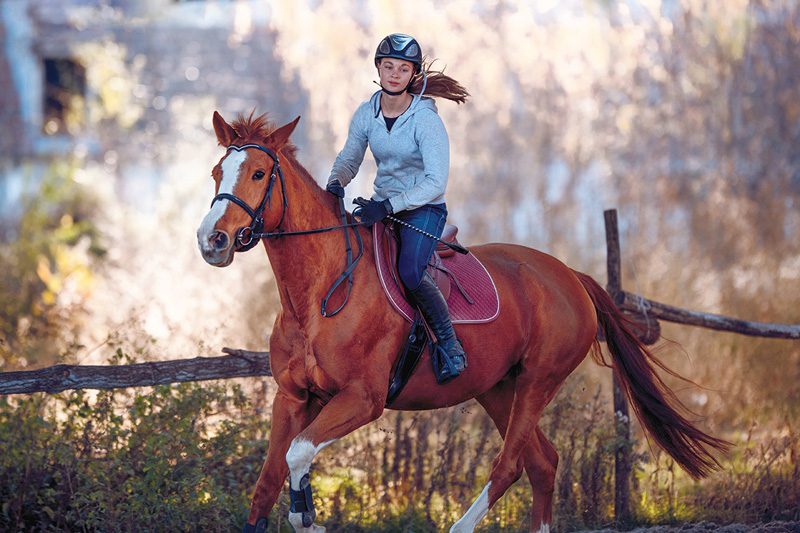
Regardless of whip type, the principles stay the same:
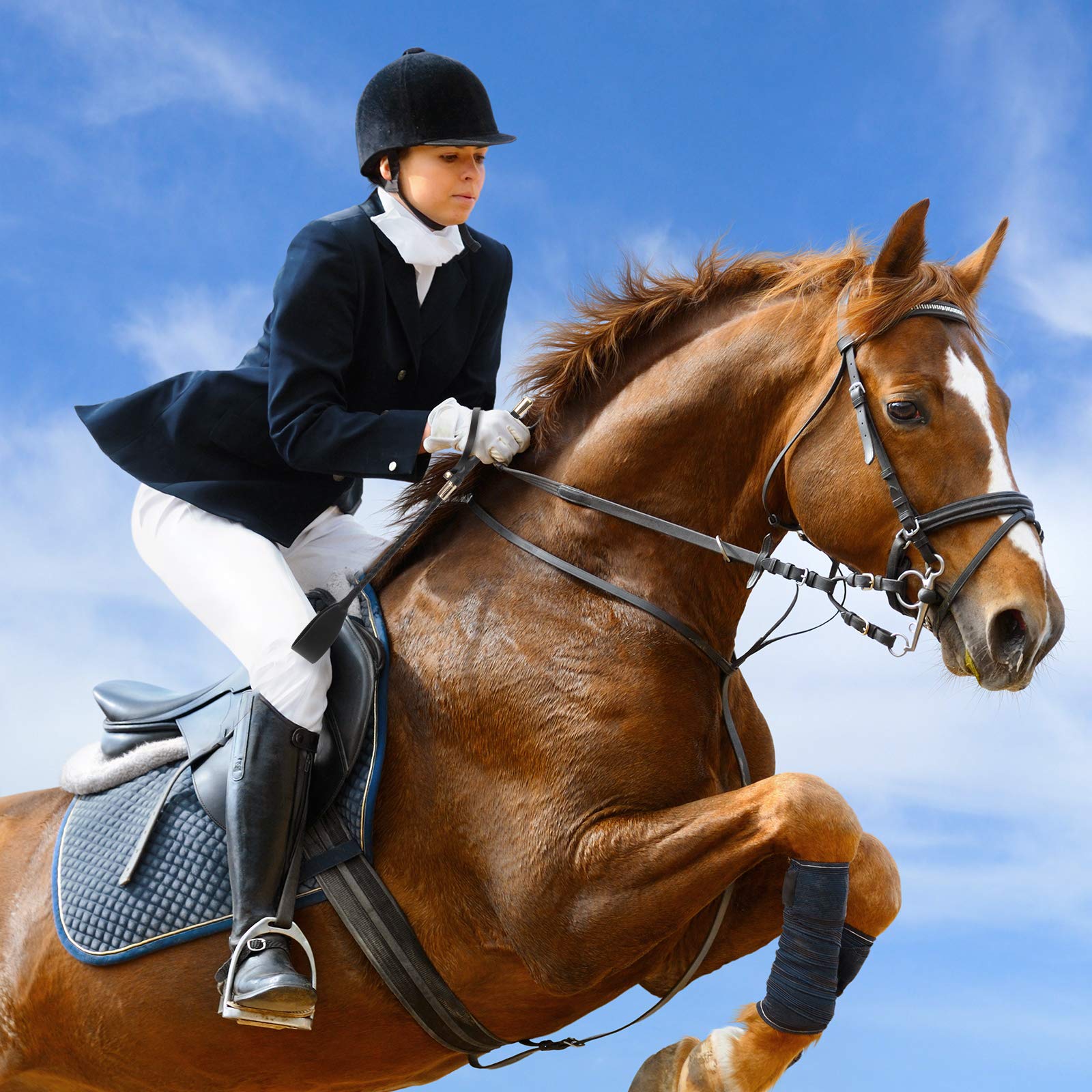
A well-balanced whip should sit securely without you thinking about it. If you struggle to keep your reins tidy, the handle might be too slippery or too thick.
Even good technique can be undermined by poor grip or hand position. If you’re unsure about correct hand placement, our step-by-step guide on how to hold a horse whip explains how grip affects control, balance, and clarity of aids.
This sequence works for all riding disciplines:
The whip should feel like a simple reminder, not a punishment.
Placement matters:
Avoid tapping too far behind your leg — this can unbalance the horse or send mixed messages.
These errors are subtle but often the reason a horse becomes tense or whip-shy:
Most horses become defensive not because of the whip itself, but because the rider’s message is unclear.
Knowing when not to use a whip is just as important as knowing how to use one. Situations involving confusion, tension, or loss of balance are explored in when NOT to use a riding whip, helping riders make better judgement calls.
Signs your horse is comfortable:
Signs you may be upsetting your horse:
If you see stress signals, stop and reassess how you are applying the aid.
Questions around welfare and ethics are common, especially for less experienced riders. Used correctly, a whip should never cause fear or pain, and this is addressed in are riding whips cruel? a clear, honest explanation, which looks at correct use in context.
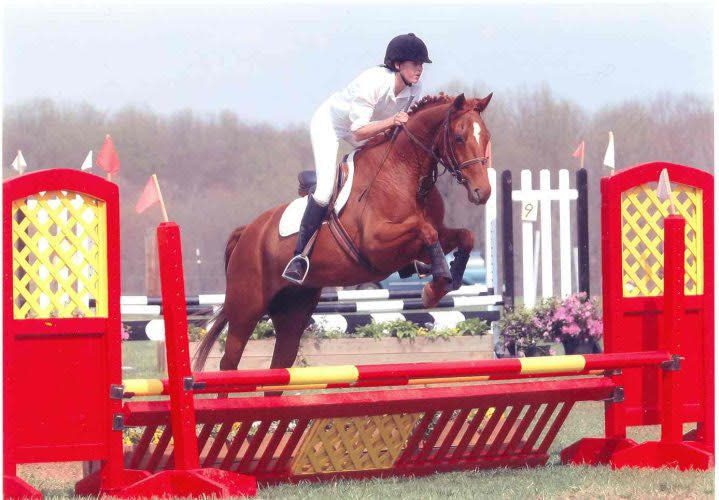
There are moments when the whip should stay quiet:
In all cases, the whip must support the horse, not escalate pressure.
| Problem | Possible Cause | Solution |
|---|---|---|
| Horse overreacts to light taps | Aid unclear or inconsistent | Use calmer timing; reinforce leg first |
| Horse ignores the whip | Rider tapping too softly or too often | Give one clear aid; reward promptly |
| Horse becomes tense | Whip applied at wrong moment | Improve timing; go back to basics |
Using a horse whip correctly is about being fair, consistent and calm. When applied with good timing and a clear purpose, the whip becomes a precise communication tool that supports your leg and encourages better balance and engagement. Correct use builds trust — and a more confident partnership between horse and rider.
Using a whip correctly relies on more than technique alone. Understanding how different whip styles are designed, when they’re permitted, and how they should be used across disciplines helps ensure aids remain fair, effective, and appropriate. Our overview of horse riding whips brings this together, covering whip types, correct usage, sizing, and competition rules in one place.
If you’re applying these principles with your own equipment, browsing our range of horse whips can help you compare styles, lengths, and grips to suit your discipline and experience level.
