Most riding whip problems do not come from bad intentions. They come from small, repeated mistakes that creep into everyday riding without the rider realising.
Understanding the most common riding whip mistakes, and knowing how to correct them, can dramatically improve communication, reduce tension, and protect your horse’s confidence.
Many riding whip mistakes come down to choosing the wrong type or using it for the wrong purpose. If you’d like a broader overview first, the complete horse riding whip guide explains the different styles, lengths, and intended uses in more detail.
This guide looks at the errors riders make most often, why they happen, and what to do instead.
A whip adds another layer of coordination to riding. You are already managing balance, reins, leg aids, rhythm, and position. It’s easy for timing or technique to slip.
Many whip mistakes are the result of:
The good news is that most of these mistakes are straightforward to fix once you recognise them.
One common mistake is assuming all whips do the same job. In reality, there are several different types of horse whips, each designed for specific disciplines and riding situations.
One of the most frequent errors is applying the whip without first asking clearly with the leg.
The whip should support the leg, not replace it. If the horse has not been given a clear leg aid first, the whip becomes confusing rather than helpful.
How to fix it: Always apply the leg aid first. Only reinforce with the whip if there is no response.
Repeated tapping quickly teaches a horse to ignore the whip altogether.
Multiple quick uses usually indicate that the original aid was unclear, poorly timed, or unnecessary.
How to fix it: Use the whip once, clearly, then return to riding from the leg. If there is still no response, reassess rather than escalating.
Even a light whip aid becomes ineffective if it arrives at the wrong moment.
Common timing errors include:
How to fix it: Aim for precision. The whip should arrive exactly when the horse is able to respond. Our guide on How to Use a Horse Whip Correctly explains how a whip should support your aids rather than replace them.
This is one of the most damaging mistakes and one of the hardest to recognise.
If a whip is used because the rider feels annoyed, rushed, or under pressure, the horse will feel that emotion immediately.
How to fix it: If frustration appears, pause the exercise. A calm reset is always more productive than pushing through.
Using the whip too far forward, across the saddle, or near the horse’s shoulder often produces tension rather than impulsion.
How to fix it: Keep whip aids discreet and behind the leg, where the horse expects reinforcement. If you are not sure about the correct positioning of your whip read our guide on how to hold a horse whip.
A whip that is too long, too heavy, or poorly balanced makes correct use far more difficult.
Many whip issues are actually equipment issues.
How to fix it: Choose a whip length and style that allows subtle use without altering your position. If you’re unsure what length is appropriate, Horse Whip Sizes: What Length Whip Do I Need? walks through the practical considerations for choosing the right size.
Late-session whip use often comes from fatigue rather than disobedience.
If a horse is physically tired, a whip will not improve performance and may reduce confidence.
How to fix it: End the session earlier or reduce the demands rather than increasing pressure.
Some riders unintentionally use the whip as a default aid rather than an occasional reinforcement.
This leads to dullness and reduced responsiveness over time.
How to fix it: Periodically ride without a whip to ensure the horse is responding to seat and leg first.
Many mistakes happen when riders use a whip that isn’t suited to their discipline. Which Whip Should I Use for My Discipline? explains how whip choice differs between dressage, showjumping, eventing, and general schooling.
Healthy whip use should result in:
If none of these are improving, the issue is rarely solved by more whip.
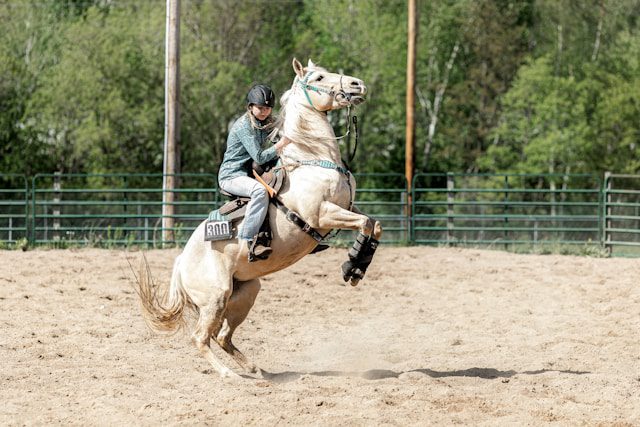
Correct whip use builds clarity and confidence. Incorrect use creates tension and resistance.
Horses trained with restraint and precision remain more sensitive, more willing, and more consistent in the long term.
Most riding whip mistakes are subtle, not dramatic. They come from timing, habit, or misunderstanding rather than intent.
By recognising these common errors and adjusting technique, riders can restore the whip to its proper role: a quiet reinforcement, used sparingly, clearly, and fairly.
The best whip use is often the least visible.
If you’re reassessing your equipment, you can explore our full range of horse whips, with options suited to different disciplines, lengths, and riding styles.
