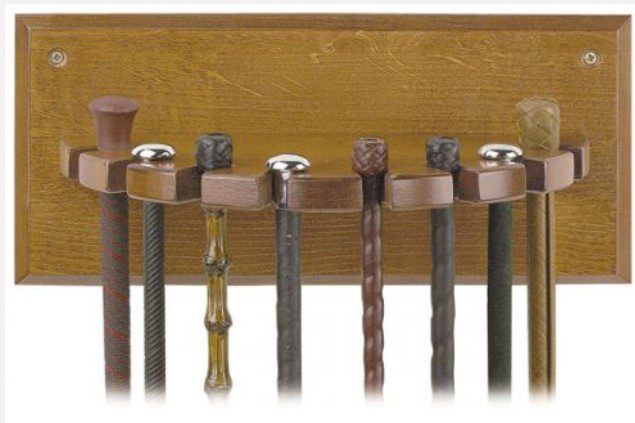
Many riders don’t give much thought to how they store a whip, but poor storage is one of the most common reasons whips lose their shape, split at the handle, or develop weak points along the shaft.
If you’ve ever picked up a whip that feels warped, unbalanced, or rough in the hand, chances are it hasn’t been stored correctly. The good news is that proper whip care and storage is simple, doesn’t require special equipment, and can significantly extend the life of your whip.
Correct storage helps preserve the balance and feel of a whip, but it also helps to understand how different whips are constructed and used. A complete guide to horse riding whips covers the various styles, materials, and purposes in more detail.
This guide explains how to store a riding whip correctly, whether it’s used daily, occasionally, or kept as part of a competition kit. We’ll also cover practical tips for storing riding crops and longer schooling whips.
A riding whip is designed to be light, balanced and responsive. The shaft relies on even tension along its length, and the handle materials (leather, rubber, synthetic, or wood) all react differently to heat, pressure and moisture. Storage needs can vary depending on the range of horse whip types you use, as different lengths and constructions benefit from slightly different handling and positioning.
Understanding how different parts of a whip respond to pressure and bending can also help with correct storage. Horse Whip Anatomy Explained breaks down the handle, shaft, and lash, and how each can be affected over time.
Incorrect storage can lead to:
Once a whip has warped, it rarely returns to its original shape, so prevention is always easier than trying to fix it.
The most important rule of how to look after riding whips is simple: never store a whip bent, folded, or wedged under pressure.
Common mistakes include:
Even a slight curve, if left for days or weeks, can become permanent.
1) Store whips straight and supported
Ideally, a whip should be stored straight and either:
Vertical storage allows gravity to keep the whip straight, while flat storage prevents stress points.
Good options include:
2) Separate whips from heavy tack
Whips should never be stored underneath saddles, bridles, or heavy rugs. Pressure from other equipment can flatten sections of the shaft or distort the handle over time.
If space is limited, create a small “whip only” area rather than mixing them into a general tack pile. This is one of the easiest ways to improve how to store horse whips day-to-day.
3) Keep away from heat and direct sunlight
Heat and UV exposure can dry out leather handles, weaken adhesives, and affect synthetic materials.
Avoid storing whips:
A cool, dry tack room is ideal.
Before storing a whip long term, it’s important to make sure it’s clean and dry. How to Clean and Maintain a Riding Whip Handle explains how to care for grips and coverings to prevent cracking or deterioration.
Riding crops and short bats
Shorter whips are easier to store but still vulnerable to pressure damage. For storing riding crops, the safest options are:
Avoid placing crops under heavy grooming kits or stacked tack.
Dressage whips and longer schooling whips
Longer whips need more care due to their length and flexibility. For the best results:
Whips with leather, suede, or faux suede handles
Leather and suede handles benefit from airflow and stable humidity. To protect grip and finish:
Transport is often where damage happens. A whip that’s stored perfectly at home can still get a permanent bend from being shoved into a bag or wedged into a car.
For safe transport:
If you compete regularly, a whip tube is one of the best low-cost upgrades for whip care and storage.
Good storage extends the life of a whip, but durability starts at the point of purchase. How to Choose a Durable Riding Whip That Lasts looks at materials and construction that stand up better to regular use.
If you notice any of the following, storage may be the issue:
Catching these early may prevent further damage, but severe warping is usually permanent.
Storage won’t fix an already damaged whip. If you’re noticing splits, loss of flexibility, or imbalance, When to Replace a Riding Whip outlines the common signs that it may be time for a replacement.
Knowing how to store a riding whip correctly is a small detail that makes a big difference. A well-stored whip keeps its balance, responsiveness and appearance for years, while poor storage can shorten its lifespan dramatically.
Treat your whip as a precision tool rather than an afterthought, and it will continue to perform exactly as intended.
If storage damage has taken its toll, you can explore our range of horse whips, with options designed for different disciplines and riding styles.
