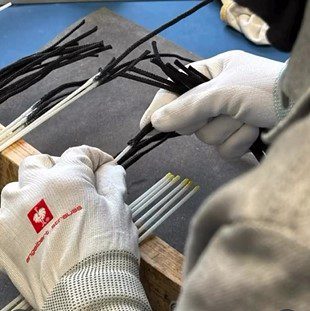
Modern horse whips are available in a huge range of materials, from lightweight carbon fibre to traditional leather and nylon braids. Each material affects how a whip feels in the hand, how it flexes, how durable it is and how clearly it delivers an aid. Understanding whip materials helps you choose a whip that matches your discipline, riding style and horse’s sensitivity.
Materials are only one part of the bigger picture when choosing a whip. Our complete guide to horse riding whips looks at overall design, construction, and intended use, helping put different materials into context.
This guide breaks down the most common horse whip materials carbon fibre, fibreglass, leather and nylon, explaining how each one behaves, what it’s best suited for, and how it influences a whip’s balance, weight and lifespan. Whether you ride dressage, jump, lunge, school from the ground or do everyday hacking, knowing the strengths and limitations of each material helps you make the right choice.
Different types of horse whips use different materials depending on their purpose, length, and discipline, which is why material choice can’t be separated from design.
The material used in a whip’s shaft, handle and keeper has a direct effect on:
Handle materials deserve particular attention, as they affect grip, comfort, and wear. Whip Handle Types Compared looks at how leather, rubber, suede, and synthetic handles differ in feel and durability.
A whip made from carbon fibre feels nothing like one made from fibreglass or nylon. Riders often assume all whips are “just whips”, but in reality the material dictates how easy it is to carry, how accurate your aids will be and how the whip behaves in different weather conditions.
Materials also influence how a whip feels in use. Horse Whip Balance, Flex & Weight Explained breaks down how different cores and coverings affect balance, flexibility, and overall handling.
This is especially important if you ride multiple disciplines, as dressage, showjumping, eventing, groundwork and showing all place different demands on a whip’s flex and feel.
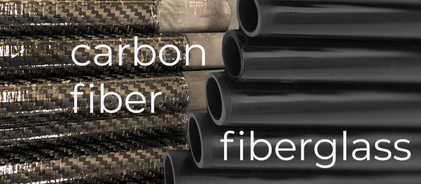
Carbon fibre is one of the most advanced whip materials available. It is known for being exceptionally lightweight, highly responsive and extremely strong for its size. A carbon fibre whip typically has a crisp, quick feel that suits riders who prefer precision and minimal hand movement.
The shaft is constructed from layers of carbon fibre woven together, creating a material similar to high-end sports equipment such as performance fishing rods, bicycle frames or ski poles. This gives the whip a unique balance: very light in the hand, yet firm and accurate.
Benefits of Carbon Fibre
Drawbacks of Carbon Fibre
Best Uses
Not Ideal For
Carbon fibre whips are premium tools designed for precision. If you want a whip that feels almost weightless yet incredibly stable, carbon fibre is usually the top choice.
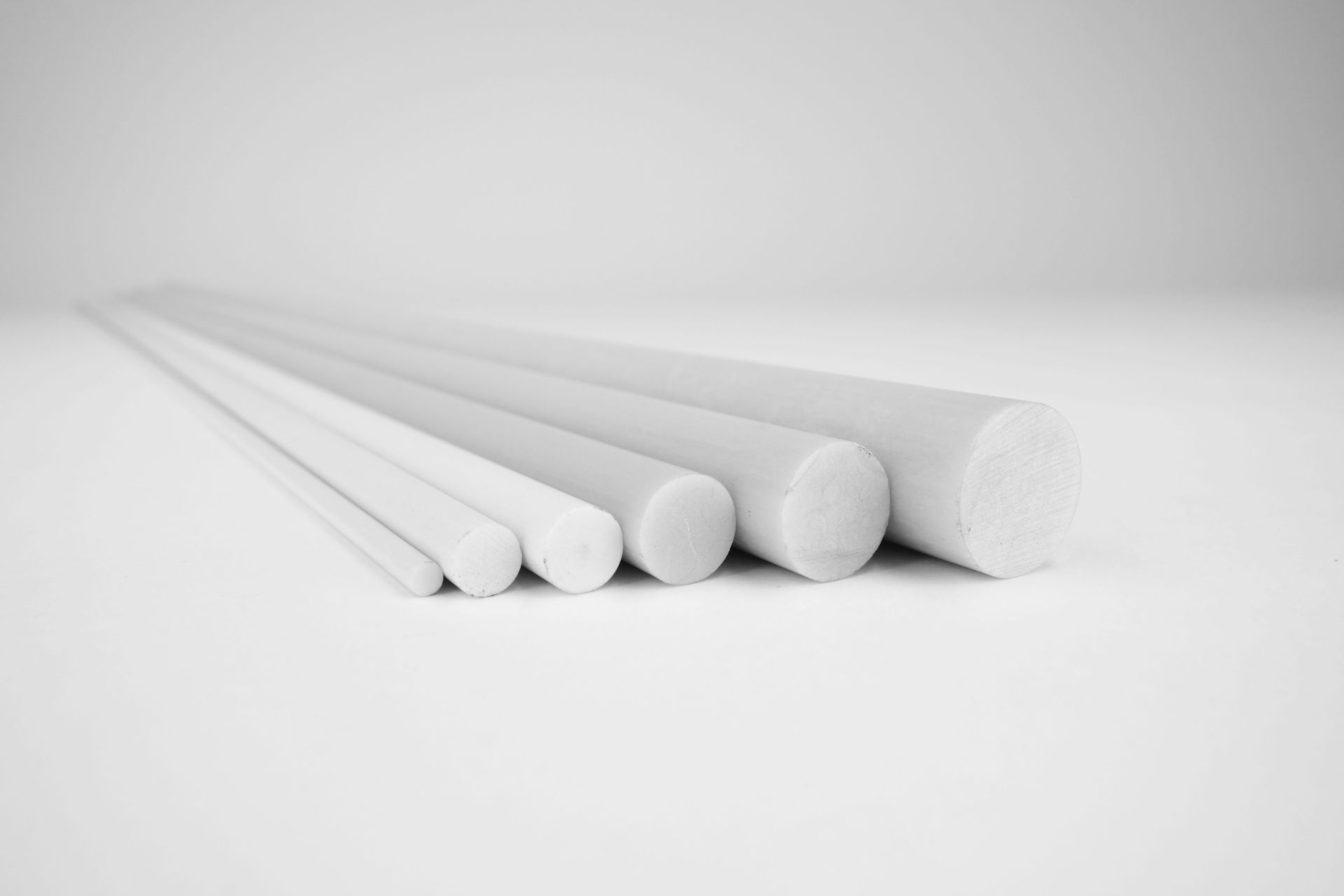
Fibreglass is one of the most popular materials for modern horse whips because it offers a balanced mix of flexibility, durability and affordability. Many everyday riding whips, jumping bats and mid-range dressage whips use fibreglass as the core shaft material.
Fibreglass whips have a slightly softer feel compared to carbon fibre. They bend more easily, absorb small shocks and offer a little more “give” in the hand. This makes them a good all-round option for riders who want control without the very stiff precision of carbon fibre.
Benefits of Fibreglass
Drawbacks of Fibreglass
Best Uses
Not Ideal For
Fibreglass whips offer excellent value and versatility, making them one of the most popular choices for everyday riders and many competitive disciplines.
If longevity is a priority, material choice matters just as much as construction. How to Choose a Durable Riding Whip That Lasts explains how different materials hold up to regular use.
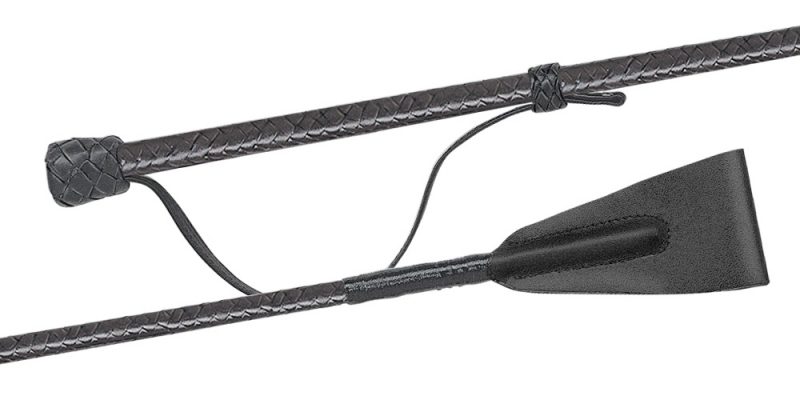
Leather-covered whips are a traditional favourite, especially in showing, hunting and in-hand classes. The outer layer of leather provides a classic look and added durability, while the internal shaft is usually made from fibreglass or another reinforced material.
These whips tend to have more weight and a more substantial feel. Riders who appreciate a solid, balanced handle often prefer leather coverings because they provide excellent grip and a polished appearance.
Benefits of Leather-Covered Whips
Drawbacks of Leather-Covered Whips
Best Uses
Not Ideal For
Leather-covered whips bring a classic look and stable feel, perfect for riders who prioritise aesthetics and tradition alongside function.
Knowing what materials your whip uses also affects how you care for it. How to Clean and Maintain a Riding Whip Handle explains safe cleaning methods for different finishes.
Nylon and synthetic whips are popular because they are lightweight, cost-effective and available in many colours and styles. They are commonly used for general riding, endurance, pony club activities and daily schooling.
These whips are usually made from a synthetic core (plastic or fibreglass) wrapped in braided nylon or polymer. They offer a softer level of flex than carbon fibre and are often slightly springier, depending on the thickness of the weave.
Benefits of Nylon & Synthetic Whips
Drawbacks of Nylon/Synthetic Whips
Best Uses
Not Ideal For
Nylon and synthetic whips are versatile, low-maintenance options ideal for everyday use, particularly for riders who need something light, forgiving and easy to replace.
| Material | Weight | Flexibility | Durability | Best For |
|---|---|---|---|---|
| Carbon Fibre | Very Light | Low (Stiff) | Very High | Dressage, precision work |
| Fibreglass | Medium | Medium | High | Jumping, general riding |
| Leather-Covered | Heavy | Low–Medium | High | Showing, in-hand work |
| Nylon/Synthetic | Light | High (Flexible) | Medium | Endurance, schooling, PC |
Each discipline places slightly different demands on a whip, so the ideal material varies depending on what you are doing.
To extend the life of your whip, it’s important to care for the material properly. Each type needs slightly different maintenance:
All whips should be stored away from direct heat or sunlight, and kept flat or hung up to prevent bending.
Whip materials make a huge difference to how the whip behaves, how it feels in your hand and how clearly your aids are received. Whether you prefer the precision of carbon fibre, the versatility of fibreglass, the elegance of leather or the practicality of nylon, choosing the right material will make your riding more effective and enjoyable.
Understanding these differences also helps you select the best whip for your discipline, your horse and your preferred riding style. If you’re comparing materials with a purchase in mind, you can browse our range of horse whips, with options using different cores, coverings, and handle finishes.
