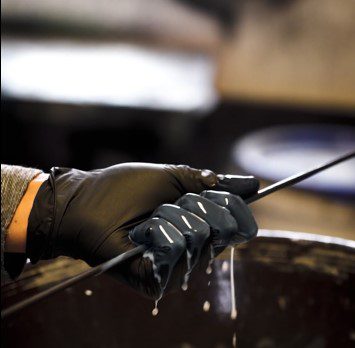
Knowing how to clean and maintain a leather or gel grip whip handle is often overlooked, yet it plays a key role in comfort, control, and longevity. Over time, sweat, dirt, oils, and arena dust build up on whip handles, reducing grip and accelerating wear.
This guide explains how to clean a riding whip handle, correctly, whether it is leather, suede, rubber or gel grip, how often to do it, and what to avoid so your whip stays comfortable, safe, and competition-ready.
Cleaning methods can vary depending on the horse whip types and uses as different handle materials respond differently to moisture and cleaning products.
A dirty or neglected whip handle can become slippery, uncomfortable, or prematurely worn. Regular maintenance helps:
Because the handle is the point of contact between rider and whip, even small changes in texture can affect clarity and control.
Keeping a whip handle clean is part of overall care, but it also helps to understand how different whips are designed and used. Our horse riding whip guide covers the various styles, materials, and purposes in more detail.
Not all whip handles are the same, and some require more delicate care than others. Whip Handle Types Compared explains the differences between leather, rubber, suede, and synthetic grips.
Leather whip handles need gentle, regular care. Over-cleaning or using harsh products can damage the leather just as much as neglect.
The goal is to keep the leather supple, not shiny or greasy.
Once the handle is clean and fully dry, correct storage helps prevent slipping, cracking, or misshaping. How to Store a Riding Whip Correctly covers best practice for keeping whips in good condition.
Gel grip whip handles are designed for traction, but sweat and dirt can quickly reduce their effectiveness.
Avoid alcohol-based cleaners, disinfectant sprays, or solvents, as these can harden or degrade gel materials.
Suede and rubber whip handles can be cleaned using the same gentle approach as gel grips, a damp cloth and mild soap, avoiding harsh cleaners or soaking.
How frequently you clean your whip depends on use and conditions:
A quick wipe after riding often prevents the need for deeper cleaning later.
While regular cleaning helps extend a whip’s life, durability starts with quality construction. How to Choose a Durable Riding Whip That Lasts looks at materials and build features that stand up better to regular handling.
Gentle, consistent care is far more effective than aggressive cleaning.
Understanding what your whip handle is made from makes it easier to clean it safely. Horse Whip Materials Explained breaks down common materials and how they react to moisture, oils, and cleaning agents.
After cleaning, store your whip somewhere dry and cool, ideally hanging or laid flat. Avoid bending the handle or leaving weight on it, as this can affect balance and grip shape over time.
Proper storage supports the work you’ve put into cleaning and maintaining the handle.
Cleaning and maintaining a leather or gel grip whip handle is simple, quick, and well worth the effort. A clean handle improves grip, comfort, and communication, while also extending the life of your whip.
By using the right methods and avoiding harsh products, you ensure your whip remains a reliable, precise aid every time you ride.
If cleaning has highlighted signs of wear or damage, you can browse our range of horse whips designed for different disciplines and handle types.
