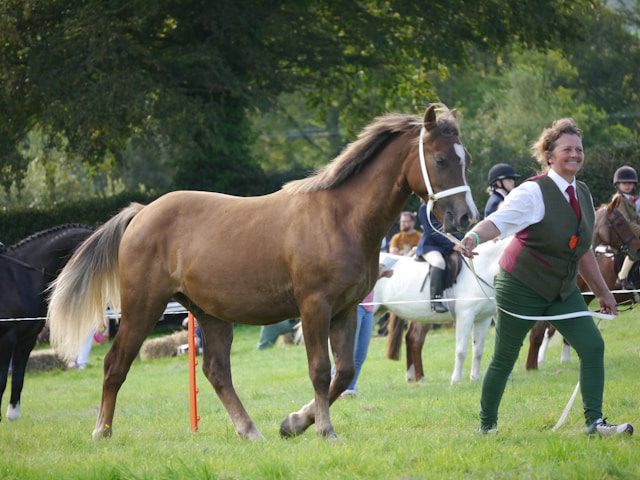
Showing has its own culture, traditions and unspoken rules, and the way you carry and use a whip (or more correctly, a show cane) is very much part of that. Unlike eventing or showjumping, where equipment rules are highly technical, most showing and breed societies rely on a mix of simple length limits and judges discretion, backed up by the Welfare Acts.
This guide looks at how whips and canes are treated in the UK showing world, with a focus on the major organisations such as the British Show Pony Society (BSPS) and the British Show Horse Association (BSHA), along with a general overview of how the main breed societies approach whip use.
Showing whip rules form part of a much wider set of discipline-specific guidelines, which are explored in more depth in our overview of horse riding whips, covering design, use and competition etiquette across all disciplines.
Rather than memorising every rulebook, the aim here is to help you understand the shared principles behind most showing whip rules, so you can walk into the ring looking correct, confident, and well within the welfare standards expected today.
Unlike some competitive disciplines, showing places a strong emphasis on tradition and presentation, meaning only certain types of horse whips are considered appropriate in the ring.
In showing, the word “whip” is often used in the rules, but in practice most riders carry a show cane, not a schooling whip or dressage whip. The cane is part of traditional turnout: slim, elegant, and carried quietly. It should compliment the picture, not dominate it.
In most showing classes, traditional show canes are preferred, reflecting the discipline’s emphasis on subtlety, correct turnout and minimal visible aids.
Across almost all showing and breed societies, you’ll see the same ideas repeated:
So while the exact numbers (75cm, 81cm, etc.) vary slightly between organisations, the overall message is the same: a short, tidy cane, used very quietly, fits the showing ring. Schooling whips, long dressage whips and exaggerated use do not.
The BSPS rulebook gives a good example of how many societies approach whip use. Rather than pages of technical specs, the emphasis is on purpose and behaviour.
Key points from the BSPS rules include:
What’s important to notice is that BSPS deliberately keeps the language broad. There are no detailed rules about padding, weight, or shaft diameter. Instead, they rely heavily on judge discretion and wider welfare legislation. If your whip is under 75cm, looks appropriate for the class and is used quietly, you are unlikely to attract the wrong kind of attention.
The British Show Horse Association is a major influence in the UK showing world, especially for hacks, hunters and cobs. Their approach is similar in spirit, but they are more explicit about the type and length of cane expected in the ring.
In BSHA classes, the usual standard is:
Again, you can see the pattern: a short, neat show cane is considered correct, with clear limits on length, and any sign of forceful or aggressive use will count heavily against the overall impression of manners and horsemanship.
There are more than fifty recognised breed and showing societies in the UK, and each publishes its own rulebook. It wouldn’t be practical (or very interesting) to list every single one here, but there is a strong consensus that runs through most of them, including:
Although the wording varies, the themes are very similar:
Many breed societies do not state a precise maximum length in centimetres, but in practice they follow the same general limits as BSPS and BSHA. Keeping your cane under about 75–81cm, slim, plain and traditional will keep you well within what most judges expect to see.
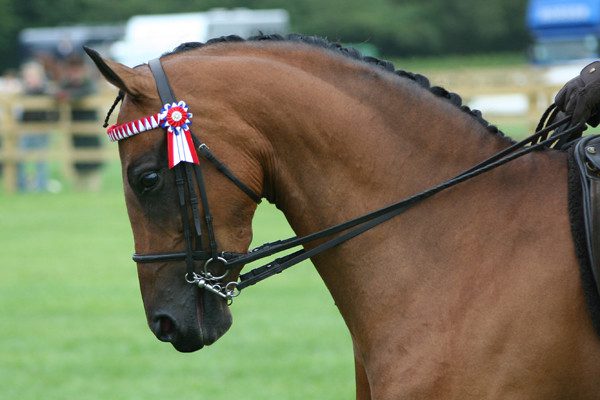
In day-to-day showing, you will normally see two “types” of cane in use:
In both cases, the ideal is the same: the cane should sit quietly in the hand, barely used, while the horse shows good manners and schooling through correct training rather than force.
To put the different rules into perspective, here is a simple comparison of typical maximum lengths in the UK showing world:
| Organisation / Context | Type | Maximum Length | Notes |
|---|---|---|---|
| BSPS | Whip / show cane | 75cm (30″) | Backhand only; for safety and guidance. Hunting crops permissible. |
| BSHA | Show cane | 81cm (32″) | Show canes only in most classes; hunting whips permitted in some adult ridden championships. |
| Most breed societies (general practice) | Show cane / in-hand cane | Usually ≤ 75–81cm | Traditional, slim cane expected; schooling whips and long dressage whips usually discouraged. |
If you are unsure whether your whip complies with length restrictions, our guide on Horse Whip Sizes explains how whips are measured and which lengths are typically permitted in showing classes.
Because so many showing and breed society rules are deliberately broad, a lot of whip-related decisions come down to how things look in the ring:
Remember that judges are looking for a polished, harmonious picture. If your cane becomes the centre of attention, it’s usually a sign that your use has crossed the line from “guidance” into “correction” in a way that doesn’t sit well in the show ring.
Correct presentation matters as much as equipment choice, and knowing how to hold a horse whip properly ensures you remain within the rules while maintaining a polished, professional appearance.
Riders should also be mindful that rules do not stop at the ring gate, as Whip Rules in Warm-Up apply equally in collecting rings and practice areas, where steward discretion plays a key role.
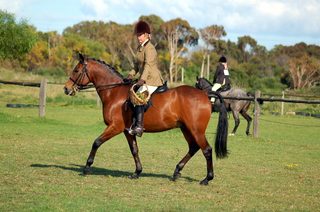
To keep things simple and safe, you can use a few easy rules of thumb for showing and breed society classes:
Showing and breed society whip rules in the UK can look vague on paper, but the underlying principles are consistent: a short, smart cane used quietly, with the horse’s welfare always at the centre. BSPS, BSHA and the various breed societies may differ slightly in their maximum lengths and wording, but they all expect the same thing in the ring: good manners, correct turnout, and minimal, considerate use of the whip.
Understanding all types of horse whips helps clarify why certain styles are acceptable in showing, while others perfectly suitable for schooling or training are considered inappropriate in the show ring.
If you choose an appropriate show cane, keep within the typical 75–81cm limits, and use it only for safety and guidance, you’ll be well within the spirit and the letter of most showing whip rules in the UK. For inspiration browse our range of speciality equestrian whips.
