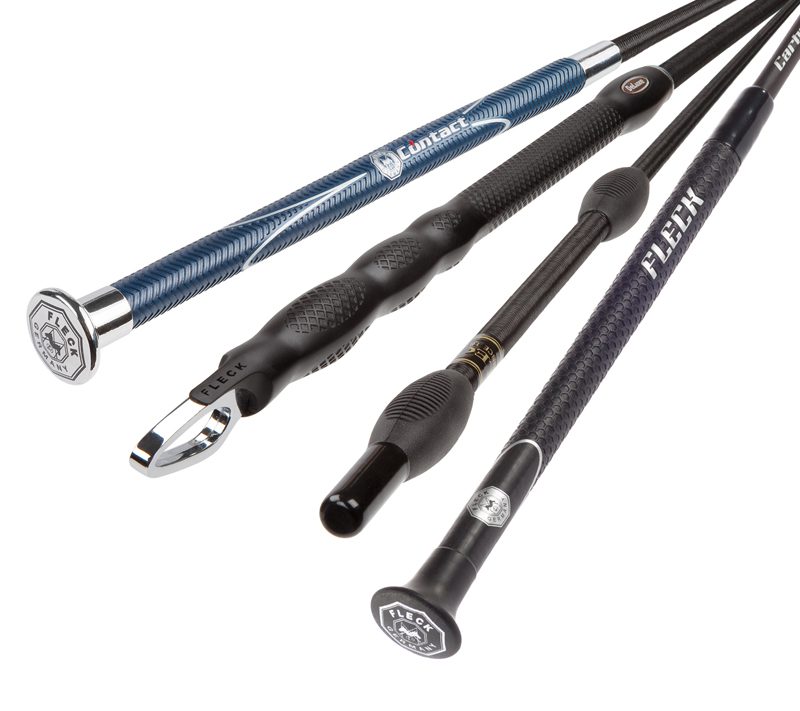
The handle of a whip influences comfort, balance, control and how easily you can maintain a steady contact without disturbing your reins. While most riders focus on shaft material or length, the handle type often has a bigger effect on how the whip actually feels in day-to-day riding.
Modern whips come with several different handle designs including gel grip, rubber, leather, woven nylon and ultrasoft materials. Each gives a different feel in the hand and suits different riding styles, rider preferences and horse sensitivities.
Handle choice is just one part of selecting the right whip overall. Our complete guide to horse riding whips looks at different styles, construction, and intended use, helping put handle types into context.
This guide compares the most common whip handle types used in dressage, showjumping, schooling, groundwork and general riding. It explains the pros and cons of each, how they influence balance and which riders benefit most.
The handle is the part of the whip you feel most directly. Even if the shaft material is excellent, an uncomfortable or slippery handle will affect your aids and make the whip harder to carry.
A good handle should:
Different types of horse whips often feature different handle designs depending on discipline and purpose, which is why handle choice can’t be separated from overall whip type.
Riders with smaller hands, weaker grip or arthritis often have strong preferences for certain handle types because even small changes in diameter or texture can make a big difference.
Whip handles vary more than many riders realise. The handle affects comfort, grip, balance and how steady the whip feels in the hand. Different brands use different materials and shaping, and some specialise in more technical designs than others.
The most common handle types include rubber, contoured synthetic, leather, faux leather, wooden balance handles and, in some lower-priced whips, gel-style grips. Each one feels very different and suits a particular style of riding.
Handle feel and durability are closely linked to the materials used. Horse Whip Materials Explained goes into more detail on how different coverings and cores affect performance and longevity.
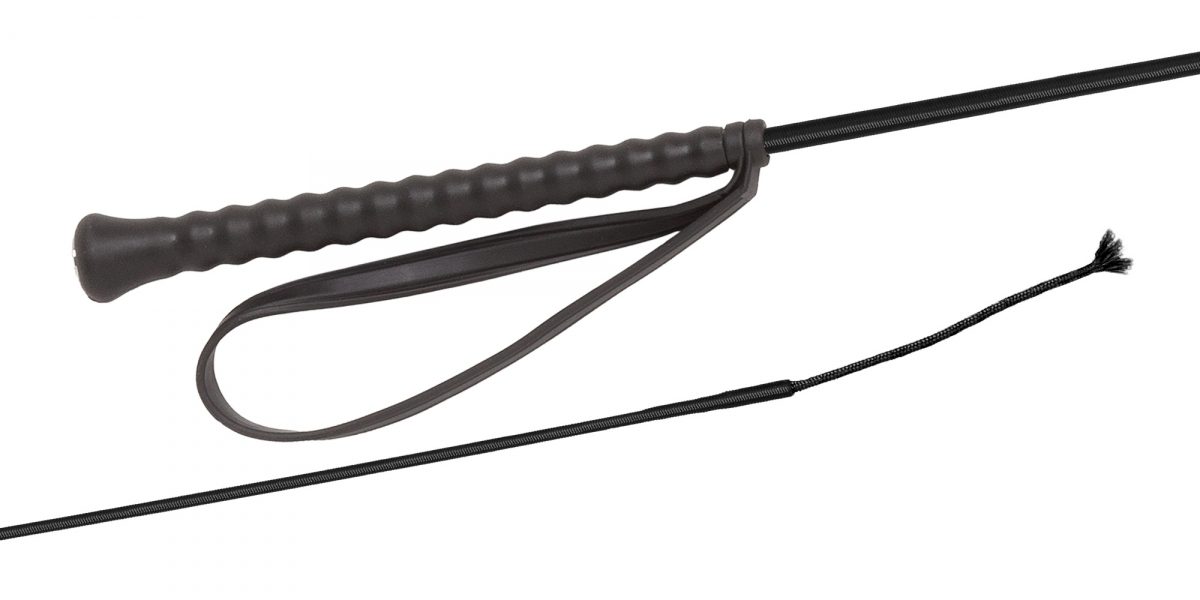
Rubber handles are one of the most popular options and appear across many ranges. They offer a firm, non-slip feel and give riders a strong, stable grip without being heavy.
Benefits
Drawbacks
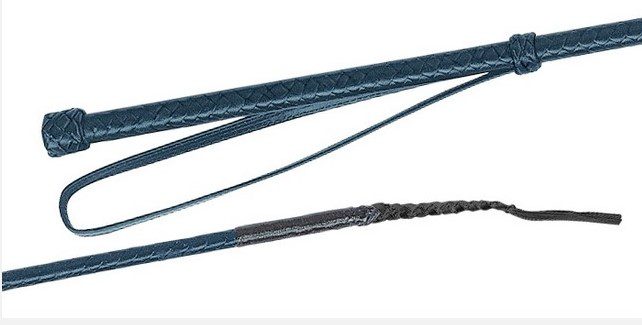
Leather-wrapped handles, found in premium ranges, offer a traditional, elegant look along with a beautifully balanced feel. They are often chosen for showing, in-hand work and for riders who prefer a more substantial handle.
Benefits
Drawbacks
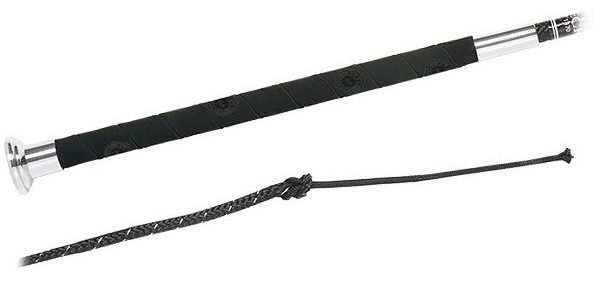
Faux leather and faux suede handles, give a very comfortable feel with improved grip compared to traditional leather. They tend to feel slightly softer in the hand without losing stability.
Benefits
Drawbacks
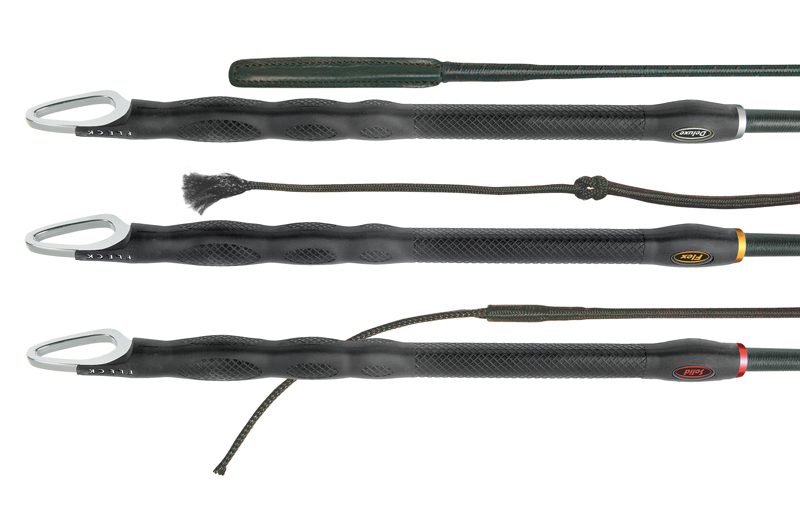
Many premium whips use contoured synthetic handles designed to fit the natural shape of the rider’s hand. This shaping increases stability and makes the whip easier to hold lightly without gripping too tightly.
Benefits
Drawbacks
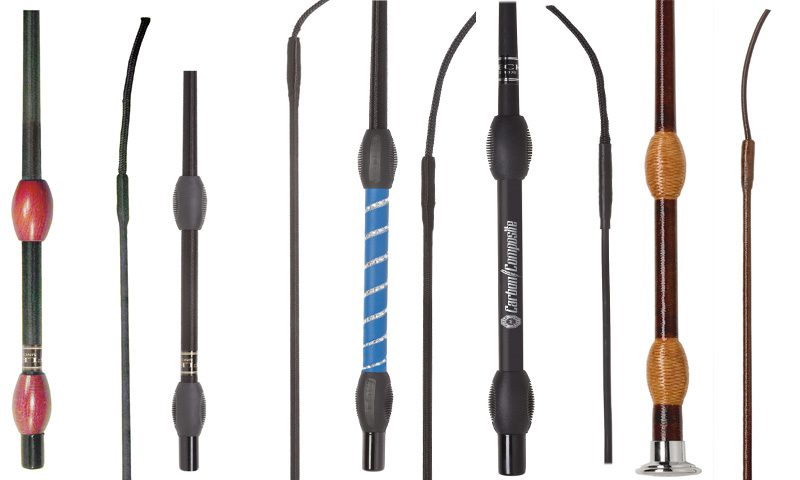
Some Specialist Balance whips use a distinctive wooden handle designed around the correct hand position.They offer exceptional stability, allowing riders to carry the whip without tension.
Benefits
Drawbacks
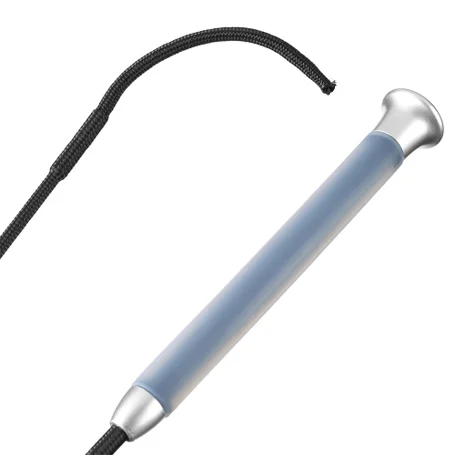
Some lower-cost whips, use gel-style handles. These are soft and slightly spongy, giving good comfort but not the precision or durability of higher-quality handles.
Benefits
Drawbacks
Best for: entry-level riders, casual hacking, very occasional use
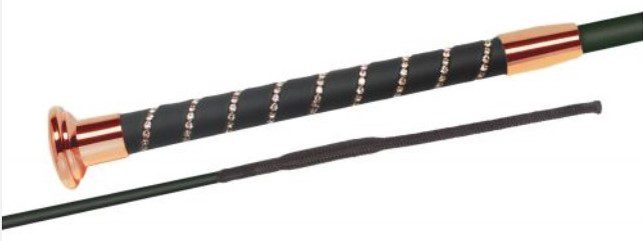
Some premium whip brands offer crystal elements built into the handle. These do not affect performance but provide a stylish, polished finish, especially for dressage or competition turnout.
Benefits
Drawbacks
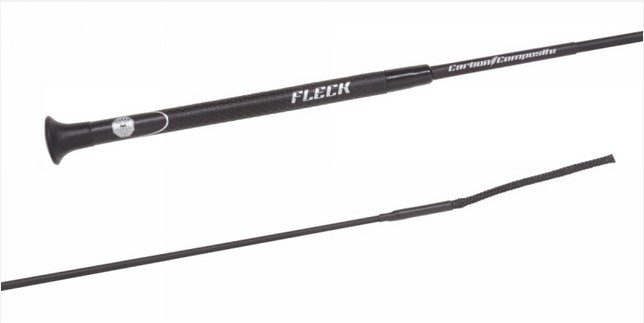
Ultrasoft and woven handles use braided nylon or synthetic fibres to create a patterned, slightly flexible grip. These are common on mid-priced dressage and schooling whips.
Benefits
Drawbacks
Best for: dressage schooling, flatwork, casual riding
Each handle type requires slightly different care. How to Clean and Maintain a Riding Whip Handle explains how to clean and protect different finishes without causing damage.
Handle weight and grip also influence how a whip balances in the hand. Horse Whip Balance, Flex & Weight Explained breaks down how balance and flexibility affect overall feel.
| Handle Type | Grip | Comfort | Weight | Best Use |
|---|---|---|---|---|
| Gel Grip | Medium | Medium | Medium | General Riding, schooling |
| Rubber | Very High | Medium | Heavy | Jumping, Eventing, general riding |
| Leather | Medium | High | Medium | Showing, Dressage, in-hand classes |
| Ultrasoft/Woven | High | High | Light | Dressage schooling, flatwork |
| Wooden Balance | Low | High | Very Light | Dressage |
Choosing the right handle depends on your riding style, hand size and discipline:
If you are unsure, try holding several whips in the shop or your yard to see which handle feels easiest to carry without adjusting your rein contact. Even the best handle won’t perform well if it’s held incorrectly. How to Hold a Horse Whip shows proper hand position to maximise control and clarity.
Whip handle types vary widely, and choosing the right one can make a noticeable difference to comfort, grip and balance. Whether you prefer the stability of leather, the security of rubber, the economy of gel or the lightweight feel of woven handles, selecting the right handle will help you ride more effectively.
If you’re comparing handle types before buying, you can browse our range of horse whips, with options across different materials and grip styles.
