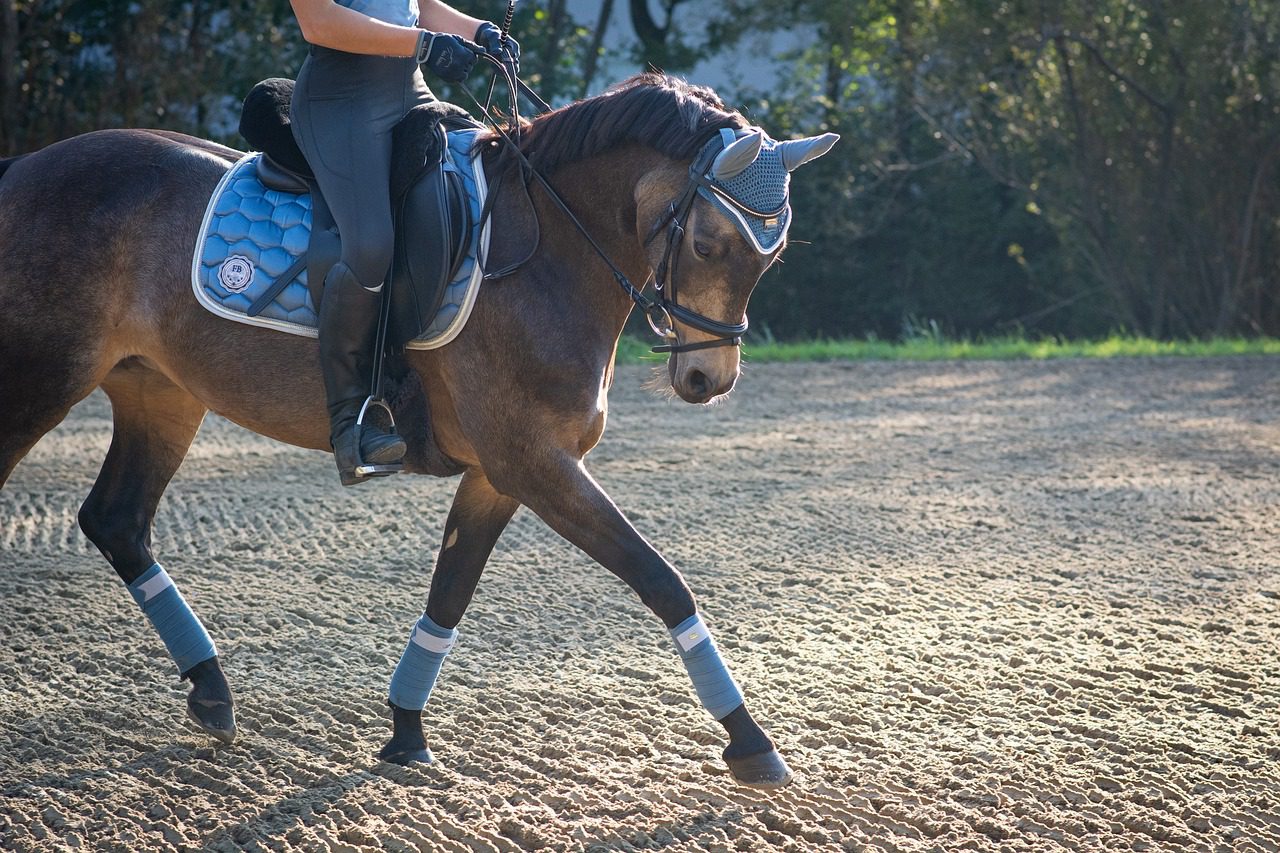
Choosing the right whip for your discipline is about far more than personal preference. Different disciplines place different demands on the rider, the horse and the equipment itself, and using the wrong type of whip can affect clarity of aids, comfort, balance and even competition legality.
Choosing the right whip for your discipline is much easier when you understand how different whips are designed and intended to be used. Our complete guide to horse riding whips covers the main styles, construction, and purposes, providing helpful background before narrowing things down by discipline.
This guide brings everything together in one place, helping you choose a whip that suits how you ride, what you ride, and where you ride, without overcomplicating the decision.
Each riding discipline uses the whip in a slightly different way. In some cases, the whip supports refined, subtle aids; in others, it provides clear, momentary reinforcement. These differences influence:
Different disciplines favour different designs, which is why understanding the types of horse whips and what they’re designed for is an important first step. A whip that works beautifully for dressage may feel awkward or impractical for jumping, while a jumping bat would be ineffective for flatwork training.
If you’re looking for a quicker, discipline-by-discipline overview, Which Whip Should I Use for My Discipline? summarises the most suitable options for dressage, showjumping, eventing, and general schooling.
In dressage, the whip acts as an extension of the rider’s leg, reinforcing lateral and engagement aids without disrupting position. The emphasis is on clarity and precision rather than strength.
Dressage riders typically benefit from:
Length is just as important as style when choosing a whip for your discipline. Horse Whip Sizes: What Length Whip Do I Need? explains how whip length affects use and control across different riding activities. The correct length allows the rider to touch behind the leg without shifting the upper body. Using a whip that is too short often leads to overreaching, while one that is too long can feel unwieldy.
Important: Dressage whip rules vary between warm-up and competition, so always check discipline-specific regulations.
Showjumping places a premium on balance and timing. The whip is used sparingly, usually as a corrective or encouraging aid, and must never interfere with rein contact or jumping position.
For showjumping, riders generally choose:
The key requirement is that the whip can be used without altering posture or balance, especially on approach to a fence. Excessively long or flexible whips are unsuitable for jumping disciplines.
Eventing is unique in that it spans multiple phases, each with different expectations and rules. Riders often use different whips for:
Cross-country whips must meet strict welfare and design rules and are typically short, padded and carefully controlled. As with dressage and showjumping, legality and appropriate use are just as important as feel.
Many event riders maintain a small selection of whips rather than relying on one for all phases.
For general riding, hacking and schooling at home, the “right” whip is often the one that feels balanced, comfortable and easy to use without drawing attention to itself.
Riders often favour:
This type of whip supports clear aids during flatwork without being discipline-specific.
Even if you are not competing, it is worth choosing whips that comply with common competition standards. This avoids needing to retrain with unfamiliar equipment later and encourages correct, welfare-conscious use from the outset.
If you do compete, always check the relevant rules for your discipline and phase, as whip length, design and permitted use can vary significantly and Competition rules can also influence your choice. Whip Rules in Warm-Up: What’s Allowed outlines current regulations across different disciplines, helping you avoid accidental rule breaches.
If you’re unsure where to start, ask yourself three simple questions:
Answering these honestly will usually narrow the choice very quickly.
Choosing the right whip for your discipline is not about buying the most expensive option or following trends. It’s about selecting a tool that supports clear communication, respects the horse, and suits the practical demands of how you ride.
Once you know what suits your discipline, you can shop our range of horse whips to find options designed for your style of riding. When the whip fits the discipline, it fades into the background, and that’s usually a sign you’ve chosen well.
