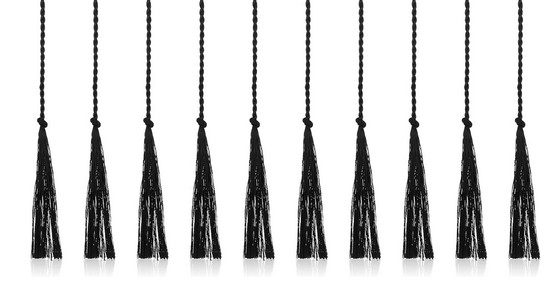
The end of a whip plays a critical role in how it functions, yet it is often misunderstood. Riders frequently ask about poppers, keepers and why different whips use different designs.
Whether a whip has a popper or a keeper is easier to understand when you look at whip design as a whole. Our horse riding whip guide explains how construction, purpose, and correct use vary across disciplines.
This guide explains the purpose of poppers and keepers, why they appear on different horse whip types, and why correct design matters for both safety and competition compliance.
A popper is a small, flexible end piece attached to the lash of a whip. It is commonly found on longer whips used for groundwork, lunging or driving.
The popper’s primary function is to create a clear sound cue and protect the horse’s skin by softening the contact point.
Because poppers experience more wear, replacement may be necessary over time. How to Replace a Horse Whip Lash explains when and how this can be done safely.
A keeper is a short, flat flap attached directly to the end of a riding whip or jumping bat.
Keepers are designed to:
Most modern riding whips now use keepers rather than poppers.
The difference between a popper and a keeper comes down to how the end of the whip is constructed. Horse Whip Anatomy Explained breaks down the handle, shaft, and lash in more detail.
The difference is not just terminology, but function.
This is why poppers are typically seen on lunge or driving whips, while keepers are standard on riding whips.
The design of the whip end affects balance, responsiveness and welfare.
Poorly designed ends can cause inconsistent contact, excessive sting or rule violations in competition. For this reason, many governing bodies specify the exact design permitted.
In showjumping, whether a popper is permitted depends on current regulations. Showjumping Whip Rules 2025 outlines what is allowed under British Showjumping and FEI rules.
Most modern rulebooks require riding whips to have a soft, padded keeper and prohibit rigid or narrow ends.
This ensures consistent welfare standards and reduces the risk of accidental injury.
Whilst Poppers and keepers are rarely relevant for groundwork. Groundwork Whips: When to Use Them & How They Help explains why different designs are used when working from the ground.
The correct end depends on how the whip is used:
Poppers and keepers serve different purposes, and neither is inherently better. What matters is choosing the correct design for the job and using it correctly.
Understanding this distinction helps riders stay compliant, communicate clearly and prioritise welfare.
If you’re comparing poppers and keepers before buying, you can browse our range of horse whips, with options suited to different disciplines and rules.
