Riding whip styles vary noticeably from country to country, and these differences are rarely accidental. Tradition, riding culture, discipline focus and welfare standards all play a role in shaping how whips are designed, used and regulated.
Many regional differences come down to how specific tools evolved for local disciplines. Looking at the different types of horse whips helps explain why certain styles are more common in some countries than others.
Understanding why different countries use different whip styles helps explain why certain whips feel “normal” in one place and unusual in another, and why international competition rules are often so specific.
While traditions vary internationally, modern whip design follows some consistent principles. Our complete guide to horse riding whips explains how construction, balance, and intended use influence today’s designs.
Many whip styles developed long before modern competition rules existed. They were shaped by how horses were used day-to-day, whether for work, transport, military riding or sport.
As a result, local riding traditions strongly influenced whip design. Over time, these traditions became embedded in national styles of riding and are still reflected in modern equipment choices.
In Britain, riding culture has historically centred around hunting, jumping and general-purpose riding. This led to the widespread use of:
These whips are compact, easy to manage, and suited to riding in open spaces, over fences, or in company. Even today, British riders often prefer shorter whips for both schooling and competition.
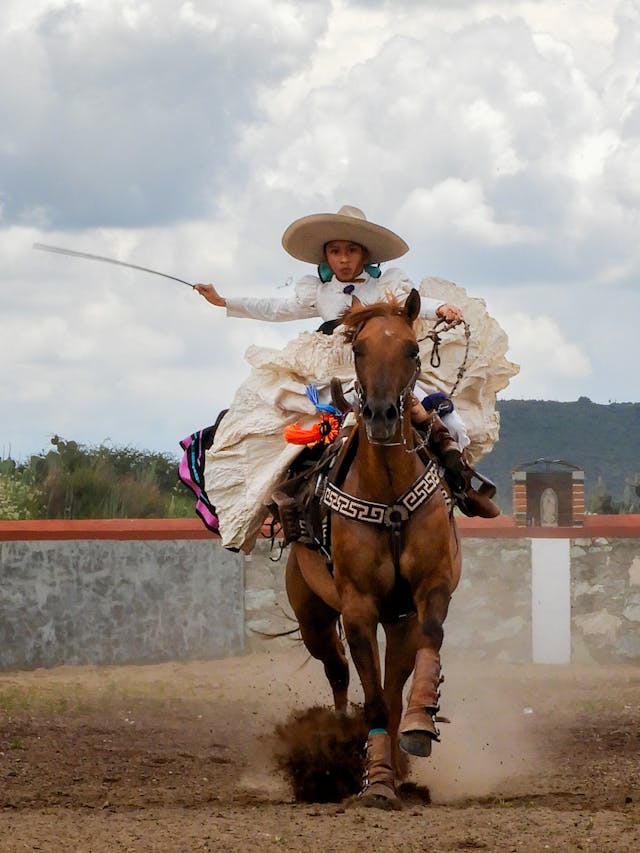
Many continental European countries, particularly Germany, France and Spain, have strong classical riding traditions. These traditions place heavy emphasis on flatwork, precision and refined aids.
This is why longer dressage and schooling whips are more commonly used and accepted. The extra length allows riders to reinforce aids behind the leg without altering posture, supporting subtle communication rather than overt correction.
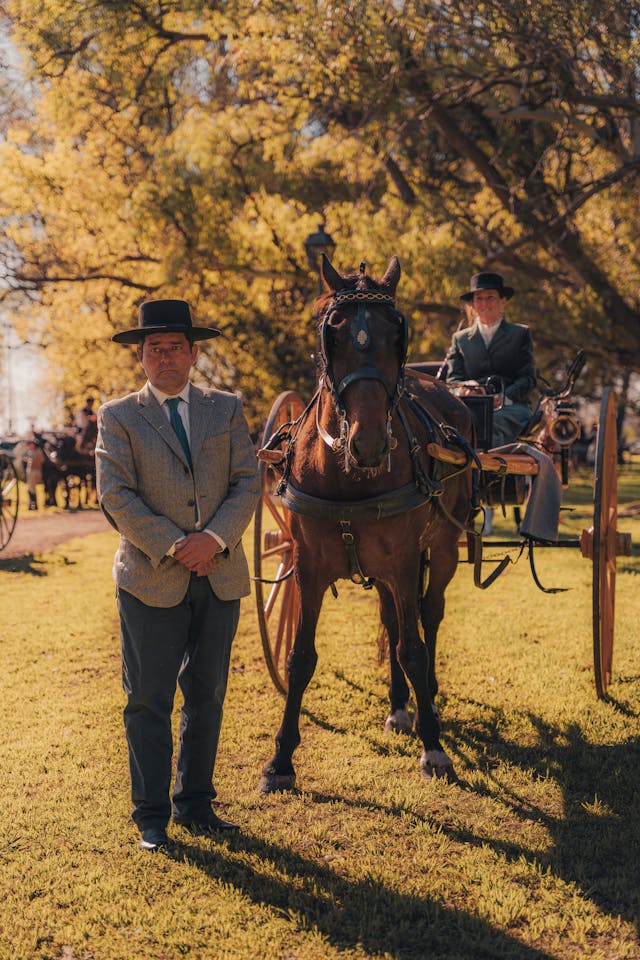
Driving disciplines provide a clear example of regional variation. Driving Whips Explained looks at styles such as Hungarian and trotting whips, which developed differently across Europe.
Driving whips are designed for reach, visibility and sound, allowing the driver to communicate with one or more horses from a distance. These traditions still influence modern driving whip designs, including long shafts and extended lashes.
While tradition explains much of the variation in whip styles, modern welfare standards now play a central role. Many modern preferences can be traced back to earlier riding traditions. The History of the Riding Whip explores how cultural attitudes and practical needs shaped whip use over time.
International governing bodies such as the FEI attempt to create consistent rules, but national organisations may still apply stricter or more specific regulations based on local expectations.
In the UK, whip styles are often shaped by strict showing regulations. Showing Whip Rules UK outlines how breed societies and governing bodies influence what is permitted in the ring.
This is why riders moving between countries or competing internationally often notice differences in permitted whip length, design and use.
Understanding international differences in whip styles helps riders make informed choices when training abroad, competing internationally, or selecting equipment influenced by other riding cultures.
It also reinforces an important point: whip design has always reflected communication needs rather than force. While styles differ, the underlying goal remains the same — clear, fair and respectful aids.
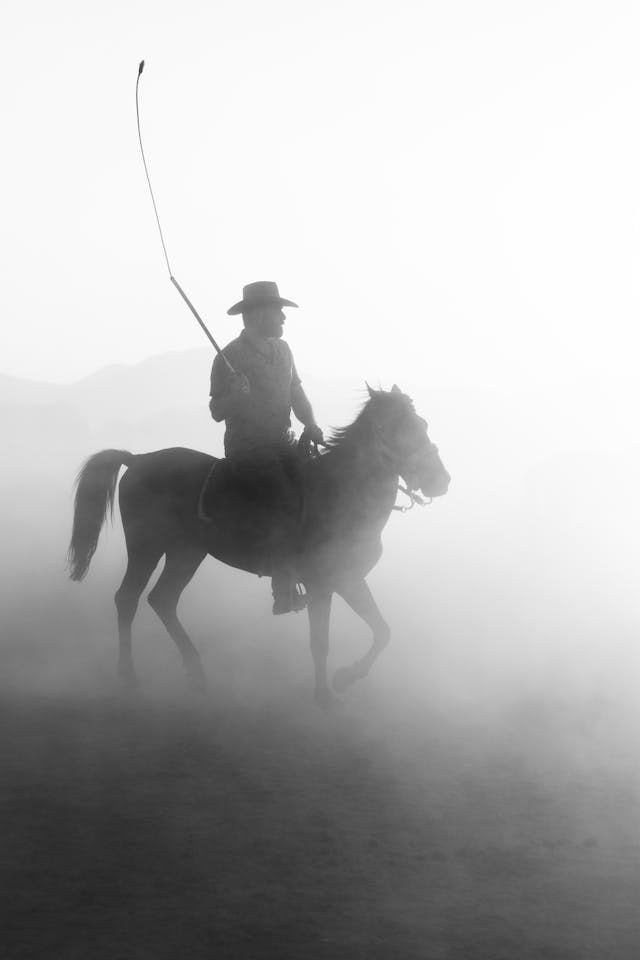
Different countries use different whip styles because they ride differently, train differently and have evolved distinct traditions over time. Modern rules may be converging, but history and culture still shape what riders carry in their hands today.
Recognising these differences helps riders understand not just the equipment, but the philosophy behind it.
If you’re curious how these influences translate into modern equipment, you can browse our range of horse whips, reflecting a variety of international styles and disciplines.
